Pneumatic equipment plays a vital role in modern industrial automation, manufacturing, and mechanical operations. These systems operate using compressed air to power various tools, machinery, and automation systems, offering reliable, efficient, and cost-effective performance. Pneumatic components are widely used in applications such as assembly lines, packaging systems, food processing, automobile workshops, and heavy-duty production environments where consistent and controlled mechanical force is required.
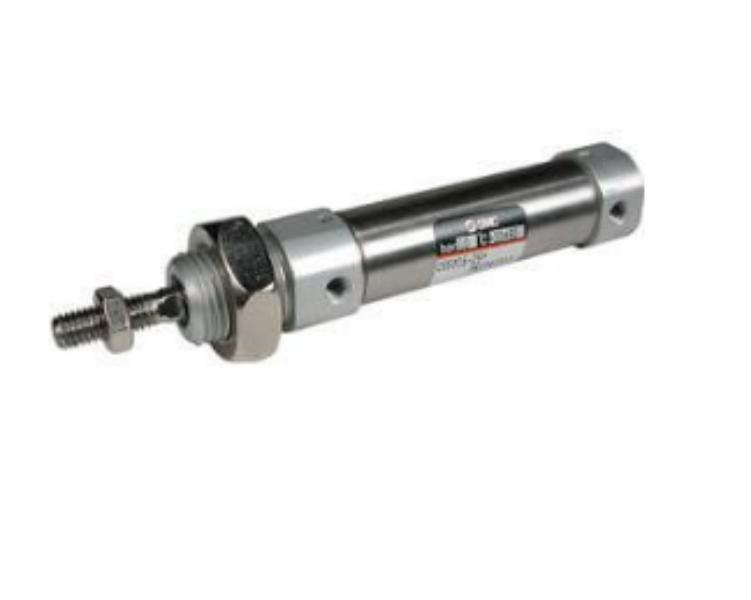
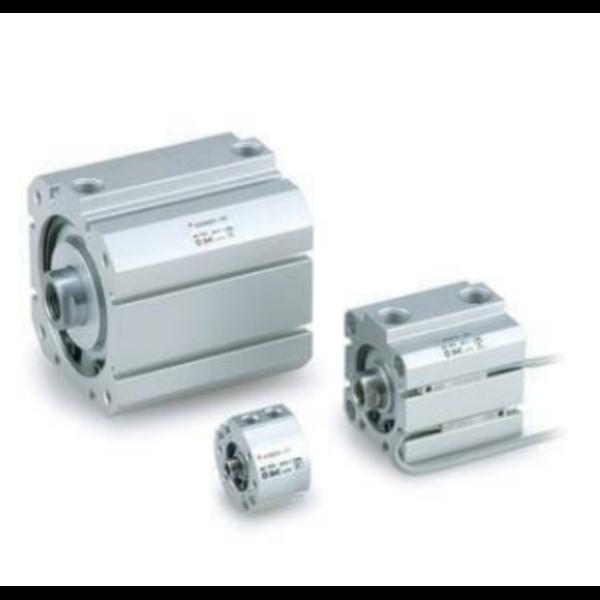
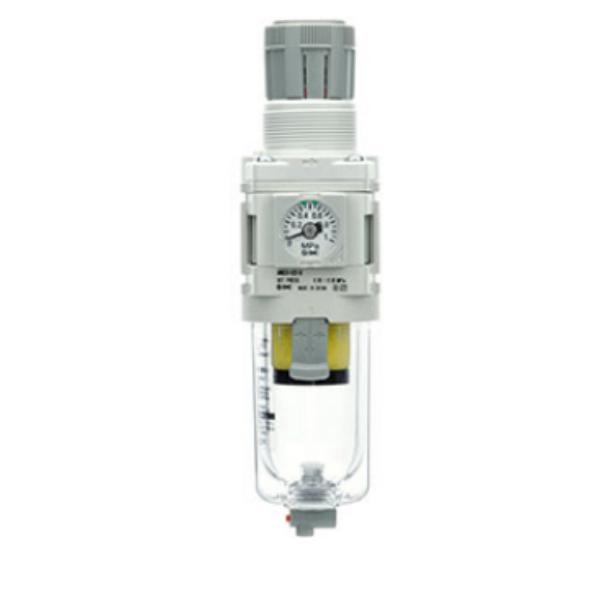
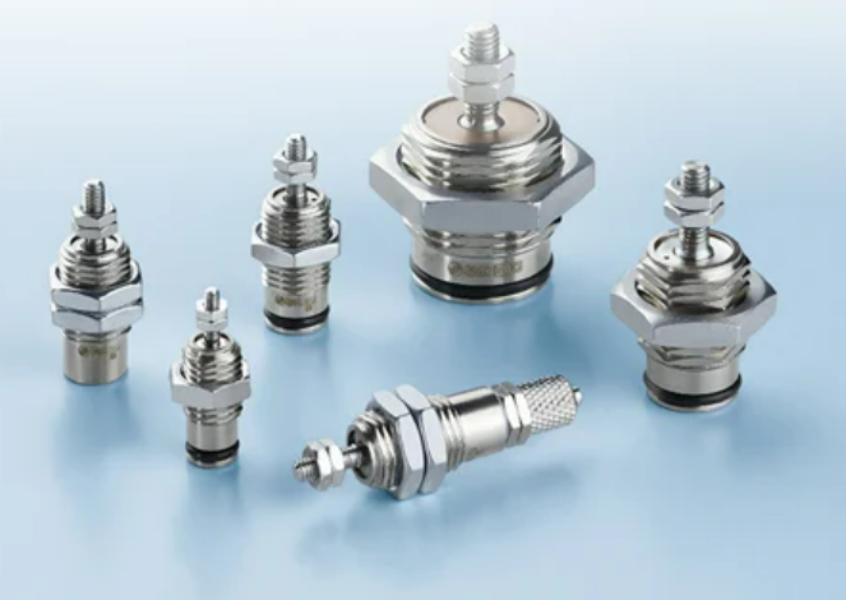
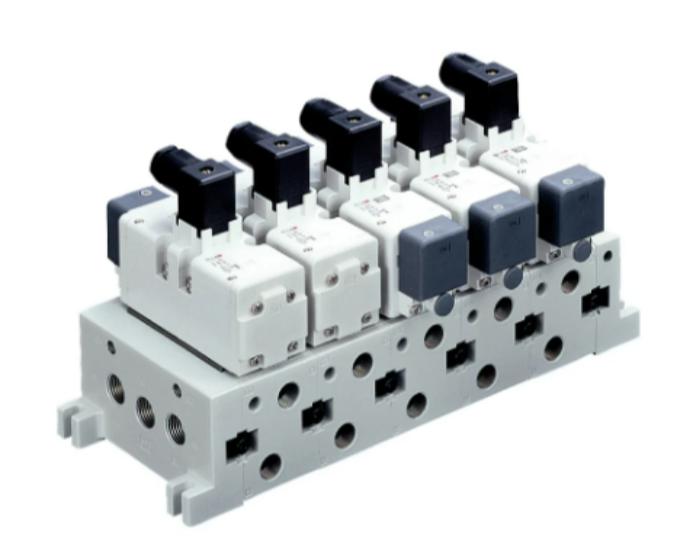
Pneumatic equipment includes a wide range of products such as air compressors, pneumatic cylinders, valves, air regulators, fittings, hoses, couplers, filters, and lubricators. Each component has a specific function—air compressors generate compressed air, regulators maintain consistent pressure, cylinders convert air pressure into mechanical motion, and valves control airflow direction and volume. Additional protection components like FRL units (Filter, Regulator, Lubricator) ensure the air supply remains clean and moisture-free, enabling longer equipment life and smoother operations.
The advantages of pneumatic systems include safety, simplicity, durability, and low maintenance requirements. Unlike hydraulic or electrical systems, pneumatic equipment does not pose risks of electrical hazards or fluid leakage. It is highly suitable for environments requiring hygienic operation, such as pharmaceuticals and food industries. Pneumatic tools like impact wrenches, nail guns, grinders, and riveters are preferred in workshops and construction for their lightweight design and powerful output.
Pneumatic equipment includes a wide range of products such as air compressors, pneumatic cylinders, valves, air regulators, fittings, hoses, couplers, filters, and lubricators. Each component has a specific function—air compressors generate compressed air, regulators maintain consistent pressure, cylinders convert air pressure into mechanical motion, and valves control airflow direction and volume. Additional protection components like FRL units (Filter, Regulator, Lubricator) ensure the air supply remains clean and moisture-free, enabling longer equipment life and smoother operations.
The advantages of pneumatic systems include safety, simplicity, durability, and low maintenance requirements. Unlike hydraulic or electrical systems, pneumatic equipment does not pose risks of electrical hazards or fluid leakage. It is highly suitable for environments requiring hygienic operation, such as pharmaceuticals and food industries. Pneumatic tools like impact wrenches, nail guns, grinders, and riveters are preferred in workshops and construction for their lightweight design and powerful output.
Keywords