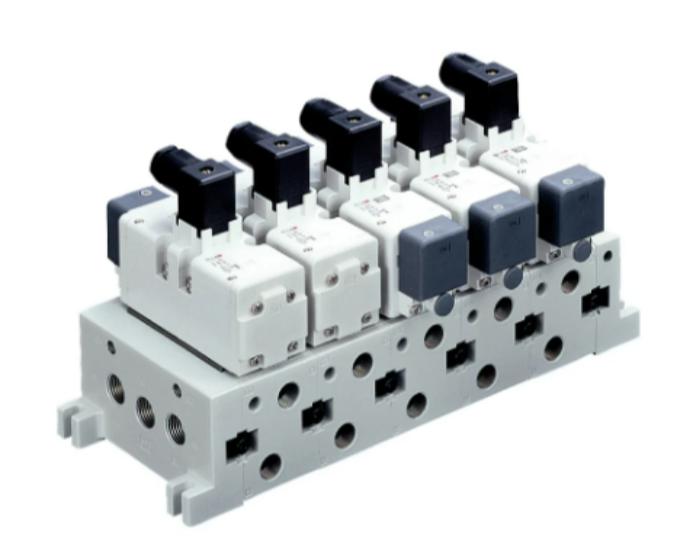
PNEUMATIC REGULATOR DEALER IN DELHI
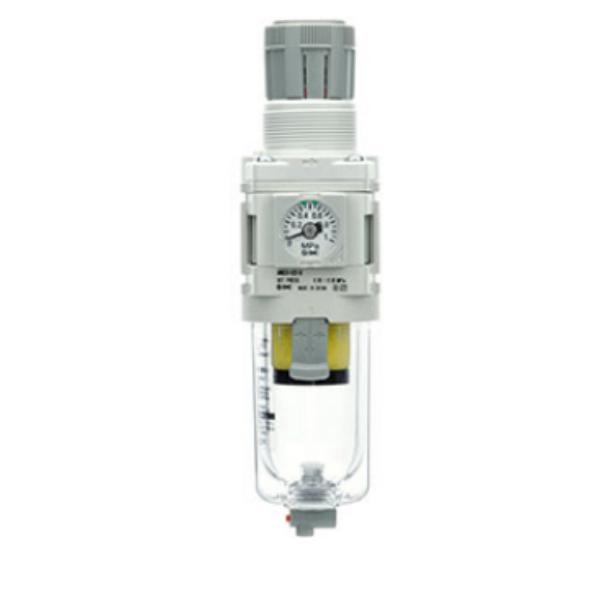
A pneumatic regulator is a device used to control and maintain the pressure of a compressed air system within a desired range. Compressed air is commonly used in various industrial applications, and maintaining precise pressure levels is crucial for the proper operation of pneumatic tools, machines, and other equipment.
Here are the key features and functions of a pneumatic regulator:
Pressure Control: The primary function of a pneumatic regulator is to control the pressure of the compressed air entering a pneumatic system. It ensures that the pressure remains within a specified range to meet the requirements of downstream devices.
Adjustability: Pneumatic regulators are adjustable, allowing operators to set the desired pressure level. This adjustability is important for accommodating different tools and applications that may require varying pressure levels.
Pressure Sensing: Regulators typically incorporate a pressure-sensing element, such as a diaphragm or piston, which responds to changes in pressure and adjusts the flow of air to maintain the set pressure.
Filtering: Some regulators may include a built-in filter to remove contaminants from the compressed air, ensuring that the downstream equipment receives clean and dry air.
Relief Valve: Many pneumatic regulators are equipped with a relief valve to prevent overpressurization. If the pressure exceeds the set limit, the relief valve opens to release excess air and maintain system safety.
Precision and Consistency: Pneumatic regulators are designed to provide precise and consistent pressure control, ensuring stable and reliable operation of pneumatic systems.
Application: Pneumatic regulators find applications in a variety of industries, including manufacturing, automotive, aerospace, and more. They are used in pneumatic systems that power tools, actuators, control valves, and other devices.
When selecting a pneumatic regulator, it's important to consider factors such as the required pressure range, flow rate, and the specific needs of the application. Additionally, proper maintenance, including regular inspection and cleaning, is essential to ensure the longevity and reliability of the regulator.
A pneumatic regulator is a device used to control and maintain the pressure of a compressed air system within a desired range. Compressed air is commonly used in various industrial applications, and maintaining precise pressure levels is crucial for the proper operation of pneumatic tools, machines, and other equipment.
Here are the key features and functions of a pneumatic regulator:
Pressure Control: The primary function of a pneumatic regulator is to control the pressure of the compressed air entering a pneumatic system. It ensures that the pressure remains within a specified range to meet the requirements of downstream devices.
Adjustability: Pneumatic regulators are adjustable, allowing operators to set the desired pressure level. This adjustability is important for accommodating different tools and applications that may require varying pressure levels.
Pressure Sensing: Regulators typically incorporate a pressure-sensing element, such as a diaphragm or piston, which responds to changes in pressure and adjusts the flow of air to maintain the set pressure.
Filtering: Some regulators may include a built-in filter to remove contaminants from the compressed air, ensuring that the downstream equipment receives clean and dry air.
Relief Valve: Many pneumatic regulators are equipped with a relief valve to prevent overpressurization. If the pressure exceeds the set limit, the relief valve opens to release excess air and maintain system safety.
Precision and Consistency: Pneumatic regulators are designed to provide precise and consistent pressure control, ensuring stable and reliable operation of pneumatic systems.
Application: Pneumatic regulators find applications in a variety of industries, including manufacturing, automotive, aerospace, and more. They are used in pneumatic systems that power tools, actuators, control valves, and other devices.
When selecting a pneumatic regulator, it's important to consider factors such as the required pressure range, flow rate, and the specific needs of the application. Additionally, proper maintenance, including regular inspection and cleaning, is essential to ensure the longevity and reliability of the regulator.
Keywords